
Tending the Ordinary Magic
We’ve been working on a “holistic goal” for our farm—a guidepost for the life we’re building, the land we’re caring for, and the community we love. At its core? Helping people experience the ordinary magic found in everyday nature.

How to Eat a Whole Chicken: Meal Plan & Recipes
Stretch one chicken into a week of delicious, family-friendly meals! From roast night to comforting soups, tacos, and beyond—this meal plan makes eating well simple, budget-friendly, and stress-free.
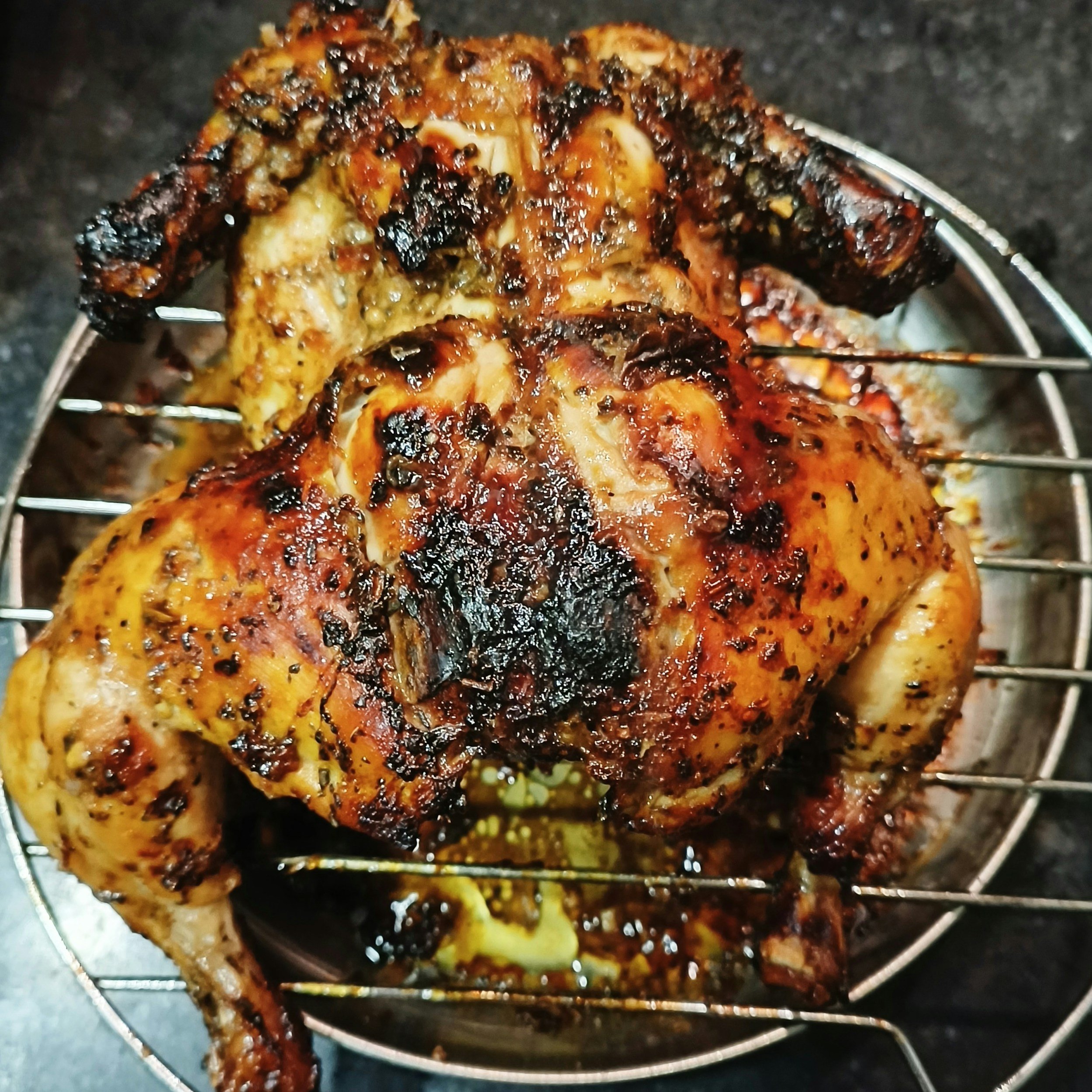
Fire Up the Grill: How to Grill a Whole Pasture-Raised Chicken Like a Pro
Not all chickens are built the same. The ones you're used to from the grocery store? Bred for size, raised fast, and pumped up on who-knows-what. Our birds? Raised slow, rotated on fresh pasture, and built for flavor—not bulk.
This summer, we've got a batch of smaller, whole pasture-raised chickens—around 3.5 to 4 pounds each—that are just begging for the grill. Here's how to do them justice.

The $5 Chicken: What’s the Real Cost?
If you’ve ever walked into Costco or Kroger and walked out with a hot rotisserie chicken for $4.99, you’ve experienced one of the most famous retail strategies in the grocery world: the loss leader.
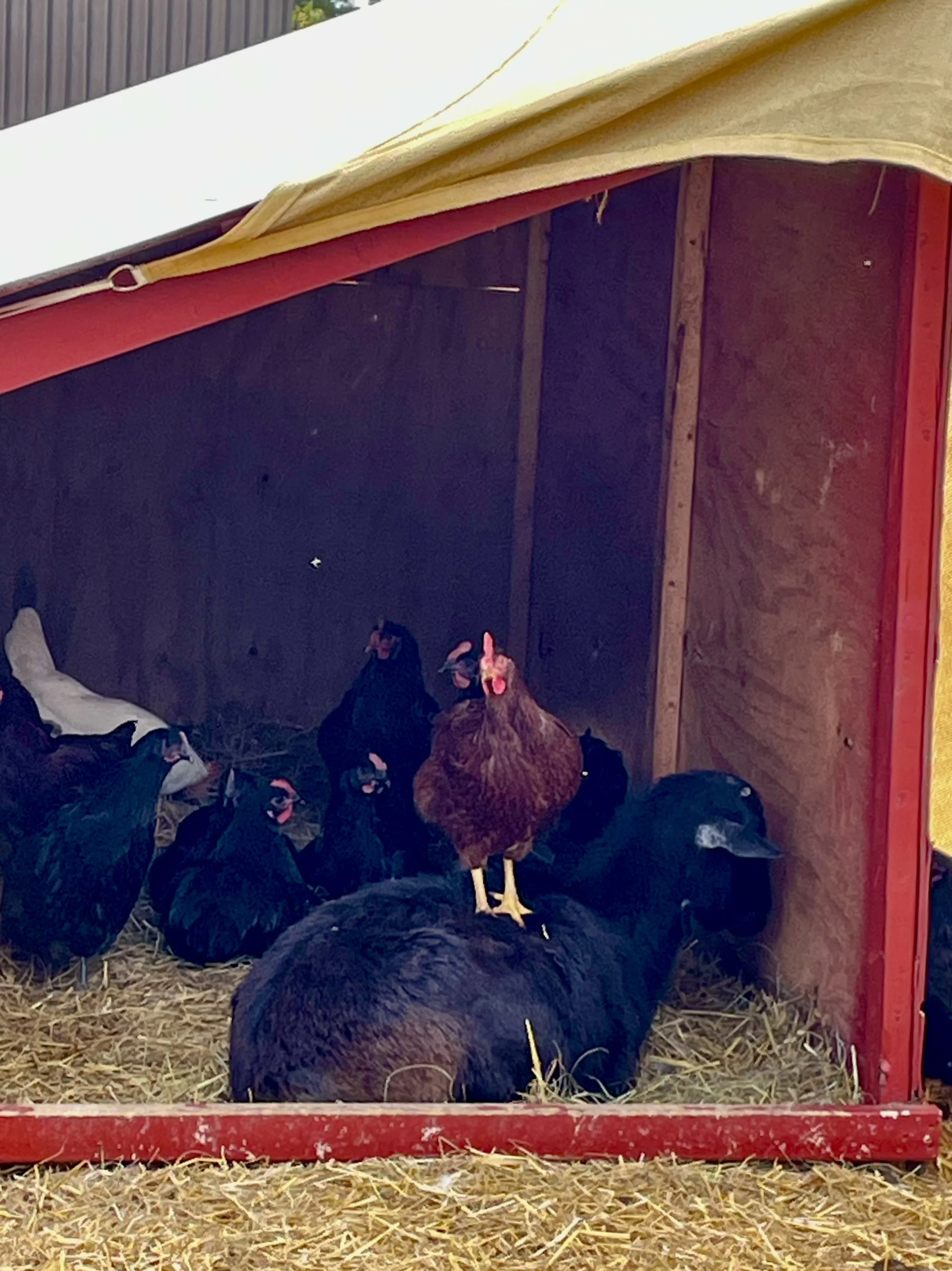
Why are your chickens “pasture-raised,” but your eggs are “free-range”?

From Somewhere
I’ve been thinking a lot lately about what it means to be from a place. To belong somewhere, not just in a practical sense, but deep in your bones.
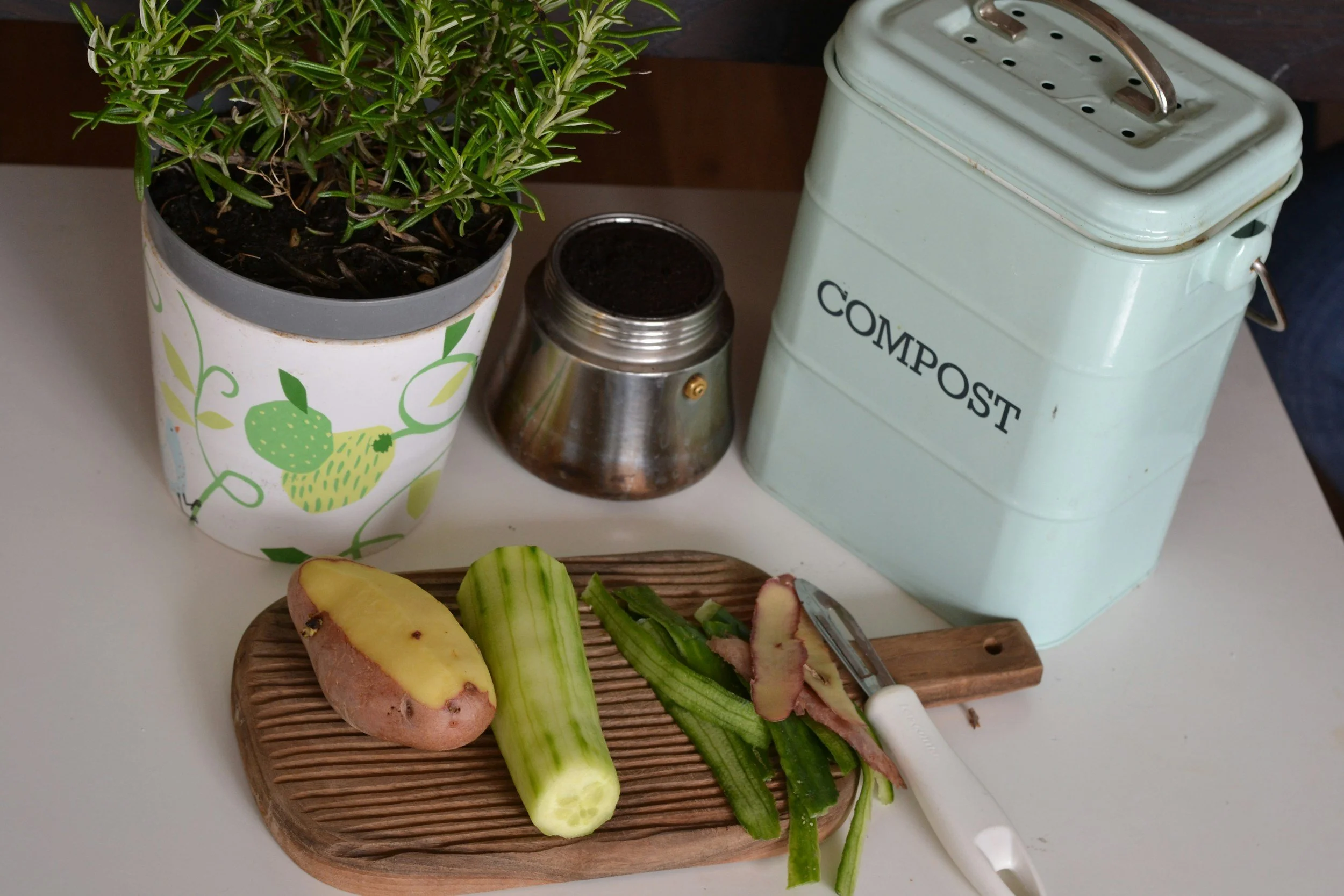
Want to Try Composting at Home?
Turning your kitchen scraps into garden gold is easier than you think — and way more satisfying than tossing them in the trash. Composting at home keeps organic matter out of the landfill and puts it to work in your soil instead.

It's Not Waste — It's Organic Matter (And It Matters)
Let’s stop calling it "waste." Let’s start calling it what it is: Organic matter. Future soil. It belongs in the ground, not the garbage. Thanks for helping us close the loop.

QUIZ: What Kind of Chicken Keeper Are You?
Take this 5-question quiz to discover your true reason for starting a backyard flock—because not all chicken lovers are the same!

Backyard Chickens 101: How Many Hens Do You Need?
Let’s be honest—chicken math is real. You might start thinking, “I just need a couple of hens for fresh eggs,” but before you know it, you’re building a bigger coop and justifying why you obviously need that adorable speckled hen you saw at the feed store. 😍 But before the chicken fever takes over, let’s do the math on how many hens will actually keep your household stocked with eggs—without turning your backyard into a feathery free-for-all.

Backyard Chickens 101: Local Regulations

Do you wash your eggs?
If you’ve ever bought eggs from the grocery store, you’re probably used to them being clean, shiny, and refrigerated. But if you’ve purchased fresh eggs from a small farm, you may have noticed they sometimes have a more matte finish—and we don’t wash them. Here’s why!

Are Backyard Hens Right for You?
The idea of collecting fresh eggs from your own backyard flock is appealing—beautiful hens scratching in the yard, a steady supply of eggs, and a connection to your food. But raising chickens isn’t just about cute coop décor and omelets on demand. Before you take the plunge, here’s a self-assessment to help you decide if backyard hens are truly right for you.

Avian Influenza and Your Backyard Flock
Avian Influenza (bird flu) is making headlines again, and while large commercial poultry farms are hit hardest, backyard flocks are also at risk, especially free range flocks. The good news? With the right biosecurity practices, you can greatly reduce the chances of your birds getting sick. Here’s how to keep your flock safe:

The Avian Influenza Crisis
What It Means for Eggs, Chickens, and Your Wallet

What’s in a Farm Name?
Choosing a name for our farm was no small task—it needed to reflect the land’s history, our family’s identity, and our vision for the future. After much thought and reflection, we landed on Goldfinch Farm, a name that feels as deeply rooted as the trees on our land.

Holiday Recycling Program: What We Accept and How to Participate

Keeping Pumpkins Out of Landfills
At Goldfinch Farm, we believe every small action contributes to a healthier planet. This fall, we set out to tackle food waste in our community by inviting folks to drop off their leftover pumpkins. The results? Together, we composted or fed 3,000 pounds of pumpkins, giving them a second life instead of letting them decompose in a landfill.

Turning Waste Into Gold

Calling All Blue Jays!
Calling All Blue Jays: Protecting Our Chickens the Natural Way
At Goldfinch Farm, we’re constantly working to find harmony with nature, even when it comes to protecting our animals. As first-generation farmers, we’re keen on solutions that blend naturally with our environment, especially when we can enlist the local wildlife to help. Our latest venture? Recruiting a few feathered guardians to join our farm family – blue jays!